CIPP pipe lining: a new pipe formed inside the old one
A cured-in-place pipe is a resin-saturated tube installed inside a pipe that is still standing, then hardened in place so it carries the loads the old pipe no longer can. Everything interesting about the method follows from that one sentence, including the situations where it is the wrong answer.
What a cured-in-place pipe is
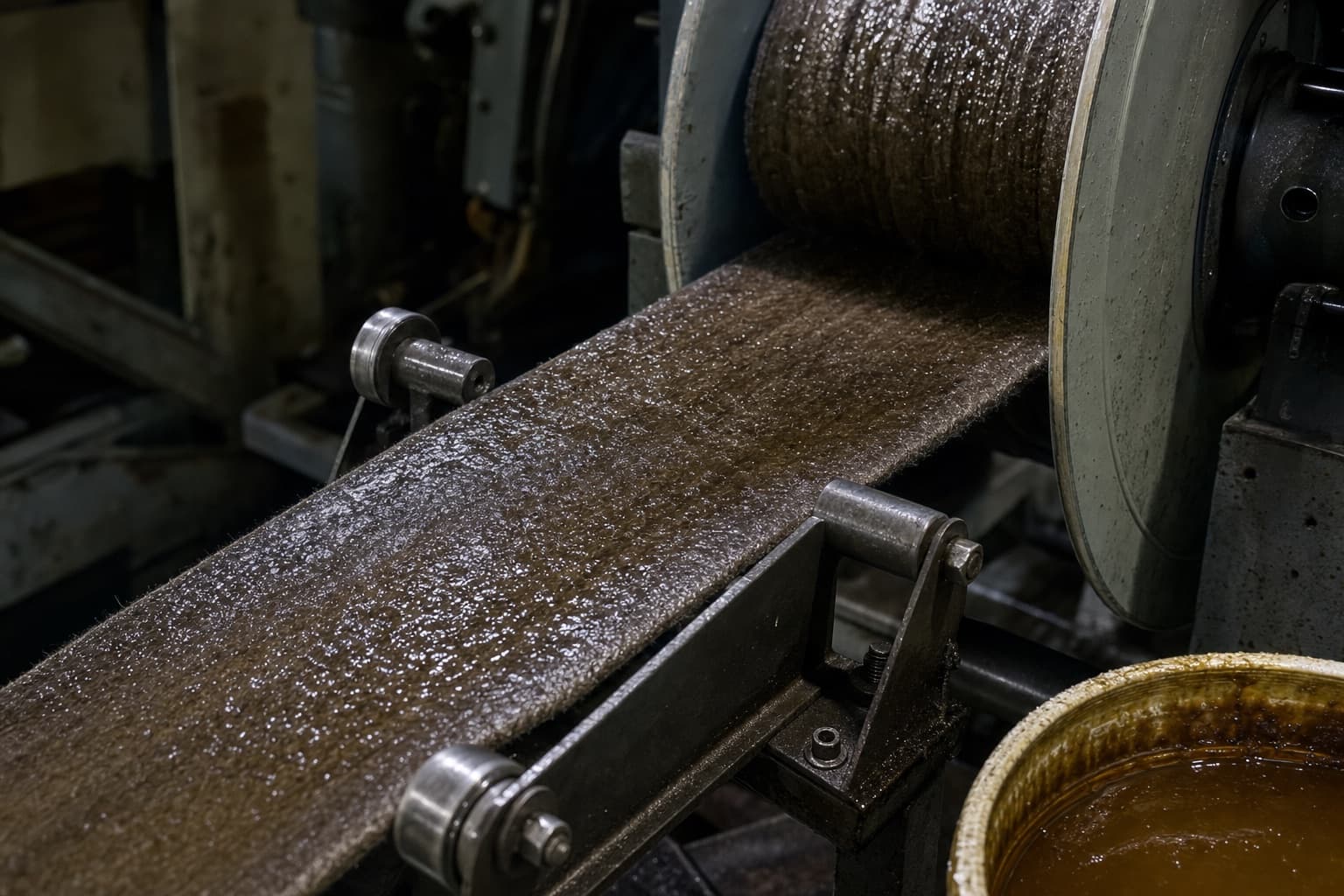
A flexible tube, felt, fiberglass or a composite of both, is saturated with a thermosetting resin, worked into the existing pipe through an access point, pressed tight against the host wall, and then cured. The resin hardens, the tube stops being a tube and becomes a rigid pipe, and the result is a continuous, jointless liner that follows the shape of whatever it was installed into.
That is why the technique is described as trenchless. Nothing is dug up along the length of the run. Access is taken at existing manholes, cleanouts or a small number of excavated pits, and the work happens through those openings.
The method has been in use since the early 1970s, when the first installation of this kind was carried out in London. It is not experimental, and it is not new, which matters, because the two most common objections to lining are that it is untested and that it is a patch. Neither is true of a correctly designed liner. What is true is that it has conditions, and those conditions are where projects succeed or fail.
What lining repairs
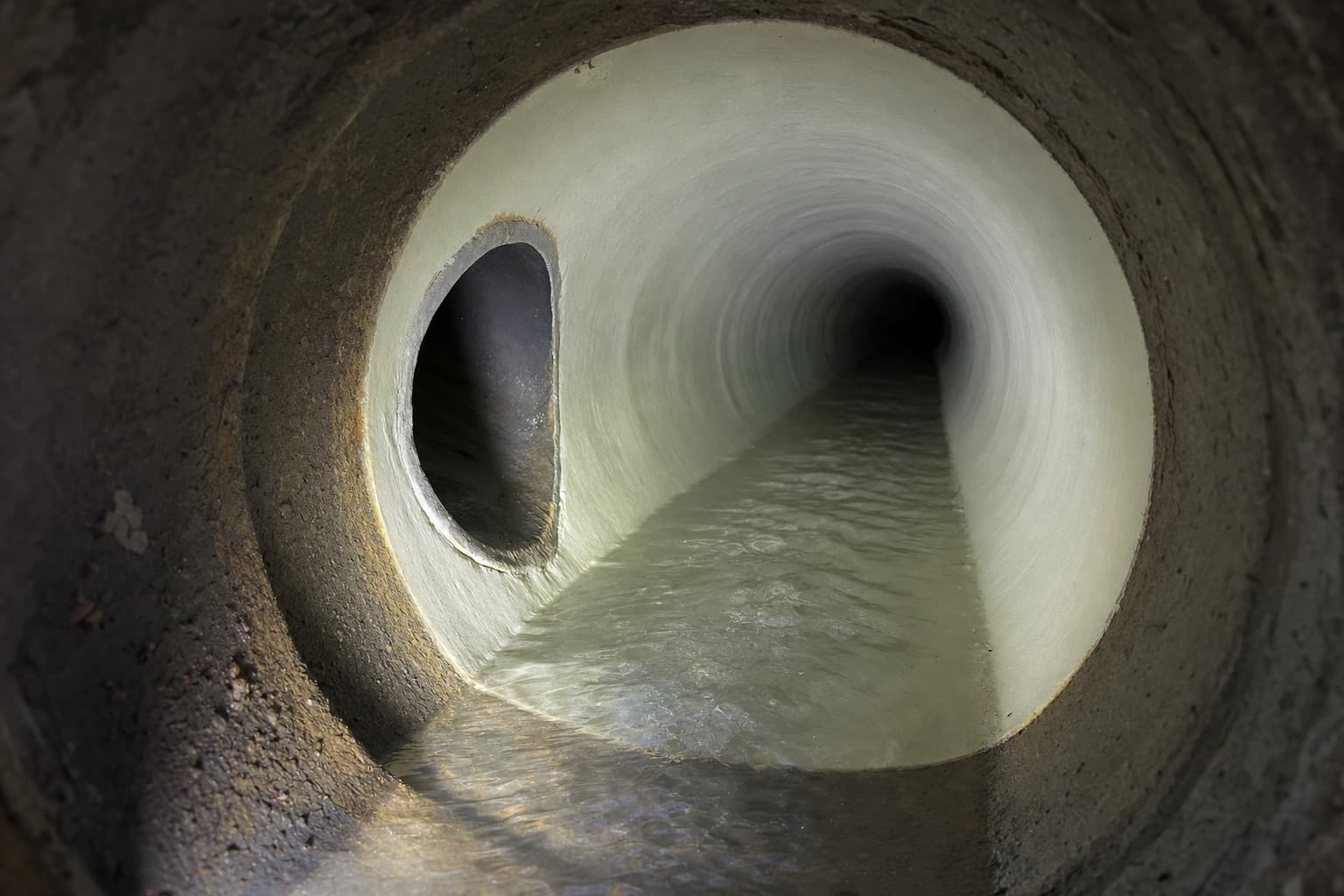
Lining is a structural answer to a pipe whose wall has stopped doing its job while its shape is broadly intact. In practice, that covers most of what a camera finds in an aging gravity line.
- Circumferential and longitudinal cracks, and fractures where the pieces are still in place.
- Open, offset or displaced joints, within the tolerance the liner can bridge.
- Root intrusion, not by killing the roots, but by removing the path they used. Roots enter through joints and defects; a continuous liner leaves none.
- Infiltration of groundwater into the line, and exfiltration of sewage out of it.
- Corrosion, tuberculation and lost wall thickness, once the surface has been cleaned back to sound material.
- Chemical attack on the inside of the pipe, where the resin is selected for the effluent it will see.
A liner is designed either to reinforce a host pipe that still contributes strength, or to carry all the load on its own where the host has effectively stopped contributing. That distinction, partially deteriorated against fully deteriorated , changes the required wall thickness, and it is decided from the condition survey rather than from a preference. It is the technical reason a proper assessment is not optional.
What lining does not repair
This is the part most vendor pages leave out, and it is the part worth reading twice. A liner takes the shape of the pipe it is installed into. Every defect that is a defect of shape, grade or continuity survives the process.
- A collapse. If the pipe has lost its shape, there is nothing to line against, and the liner cannot restore a bore that no longer exists.
- A sag, belly or reverse grade. Standing water is a grade problem. A smooth liner may move solids through it better, but the low point remains a low point.
- Severe deformation or ovality beyond what the liner can be designed around.
- A missing section of pipe over any length: a liner needs a host to be pressed against, and across a void it has nothing to hold its shape.
- Capacity that was undersized from the start. Lining does not add diameter; where more capacity is genuinely needed, that is a case for replacement or for upsizing by bursting.
Any of those findings sends the project toward a different trenchless method or toward open-cut replacement. A contractor who says yes to a lining job over a sagged line either has not seen the survey or is hoping the customer will not notice for a year.
What the host pipe has to allow
Beyond the condition of the wall, four practical constraints decide feasibility. They are worth checking early, because each one can turn a straightforward job into a complicated one.
Access
The liner has to be installed from somewhere. Existing manholes and cleanouts are the usual answer; where they are absent or unusable, a small access pit is excavated. A trenchless job with three access excavations is still trenchless, but it is not the same job as one with none, and the difference shows up in the price.
Diameter and length
Products exist across a wide range of diameters, from small building drains up to large municipal interceptors, and shot lengths of several hundred feet are routine. What matters on a given project is not the theoretical range but whether a contractor within reach carries equipment and a liner in that size.
Bends and geometry
Gradual bends are usually negotiable. Sharp bends, back-to-back fittings and abrupt diameter changes are where liners wrinkle, and a wrinkle is both a hydraulic loss and a place solids catch. This is a question to ask before signing, not after the survey has been filed away.
Laterals and connections
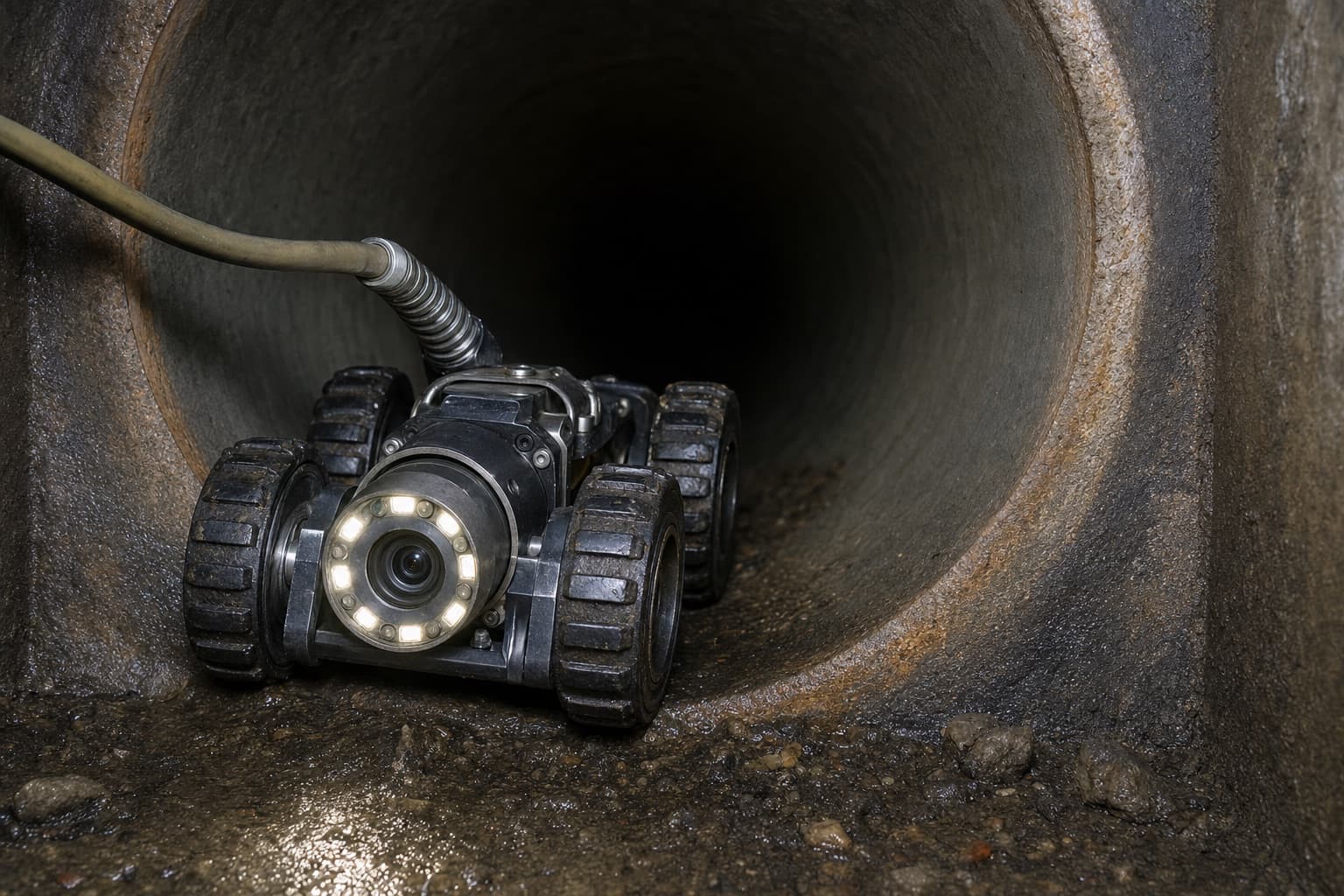
A liner passing a lateral connection covers it. Reinstating those connections after the cure, usually with a robotic cutter working from inside the pipe, is a separate operation with its own quality standard. On a sewer main with many services, the count and condition of the laterals affects the schedule and the price as much as the length of the run does.
The families of liner, and why the choice is not cosmetic
Ask three contractors and you may get three different systems. They are not interchangeable, and the differences show up in cure time, odor, access requirements and what happens if the shot goes wrong.
- Felt liners with thermoset resin, installed by inversion, the tube is turned inside out into the pipe by water or air pressure, laying resin against the wall as it advances. The long-established approach, and still the most widely used in gravity sewers.
- Felt liners pulled into place and then inflated. Useful where inversion is impractical, and cured in place the same way.
- Glass-reinforced liners cured by ultraviolet light, drawn through the pipe and cured by a light train travelling inside it. Cure times are short, the process is closely monitored, and styrene-free resin systems are available.
- Sectional or point liners, which repair a short defect rather than a whole run. A different economic proposition entirely, see the trenchless methods page.
The resin decides chemical and thermal resistance. Polyester systems are common in sanitary sewer work; vinyl ester and epoxy systems are specified where the effluent is aggressive or the service temperature is high. On an industrial line, that selection is not a detail, it is the project.
What a finished job should leave behind
A liner is invisible once installed, which puts an unusual weight on documentation. The paperwork is not administrative overhead here; it is the only durable evidence that what was paid for is what was installed.
- A post-installation camera survey of the full run, after reinstatement, not before.
- Cure records: the temperature and time profile actually achieved, not the one planned.
- Physical samples, where the specification calls for them, with the test results.
- Confirmation that every lateral has been reinstated, and that no unintended cut was made.
- The written warranty, with its exclusions read rather than assumed.
What each of those documents is, and what a bad version of it looks like, is set out stage by stage in how a liner is actually installed.
Frequently asked
How long does a cured-in-place liner last?
A design life of fifty years is what liner systems are commonly specified against, and installations from the 1970s remain in service. What no honest page can tell you is how long a particular liner will last, because that depends on the design case, the installation quality and what flows through it. [Design life claims to be sourced from the specific product documentation before publication.]
Does lining reduce the capacity of the pipe?
The bore gets smaller, and the wall gets much smoother. In gravity sewers those two effects work against each other, and flow capacity is frequently maintained or improved rather than lost. On a line that is already at its hydraulic limit, that trade-off should be calculated rather than assumed.
Can a liner be installed while the building stays occupied?
Usually, with the drain out of service for the working period and a bypass in place. How that is staged, and what it costs in practice, is covered on commercial pipe lining.
Is lining always cheaper than replacing the pipe?
No. It frequently wins on total cost once restoration, downtime and disruption are counted, and it loses cleanly where the pipe is collapsed, sagged or undersized. The comparison is set out on lining or replacement.
Last reviewed July 29, 2026.
Related pages
- CIPP pipe liningUnderstand the method itself and its conditions of use.
- Trenchless repairPlace lining among the alternatives instead of assuming it is the answer.
- Lining vs replacementMake the arbitration on the right criteria, with the right numbers.
- Inspection and assessmentKnow what to require from a survey, and how to read the report.
Describe the line and find out whether lining applies
Material, diameter, length and what the camera showed, that is enough for a specialist to say whether this is a lining project or something else.
CIPP Connect rehabilitates pipe in place: camera inspection and assessment, cleaning, cured-in-place liner installation, lateral reinstatement and post-installation verification. One crew, one written scope.