Sewers, under-slab drains, municipal mains
A pipe is repaired from the inside, or the ground is opened
A camera goes down it, the line is cleaned, a new pipe is formed inside the old one, and every lateral is cut back open. What nobody should do is quote before looking, or line a pipe that should be dug up.
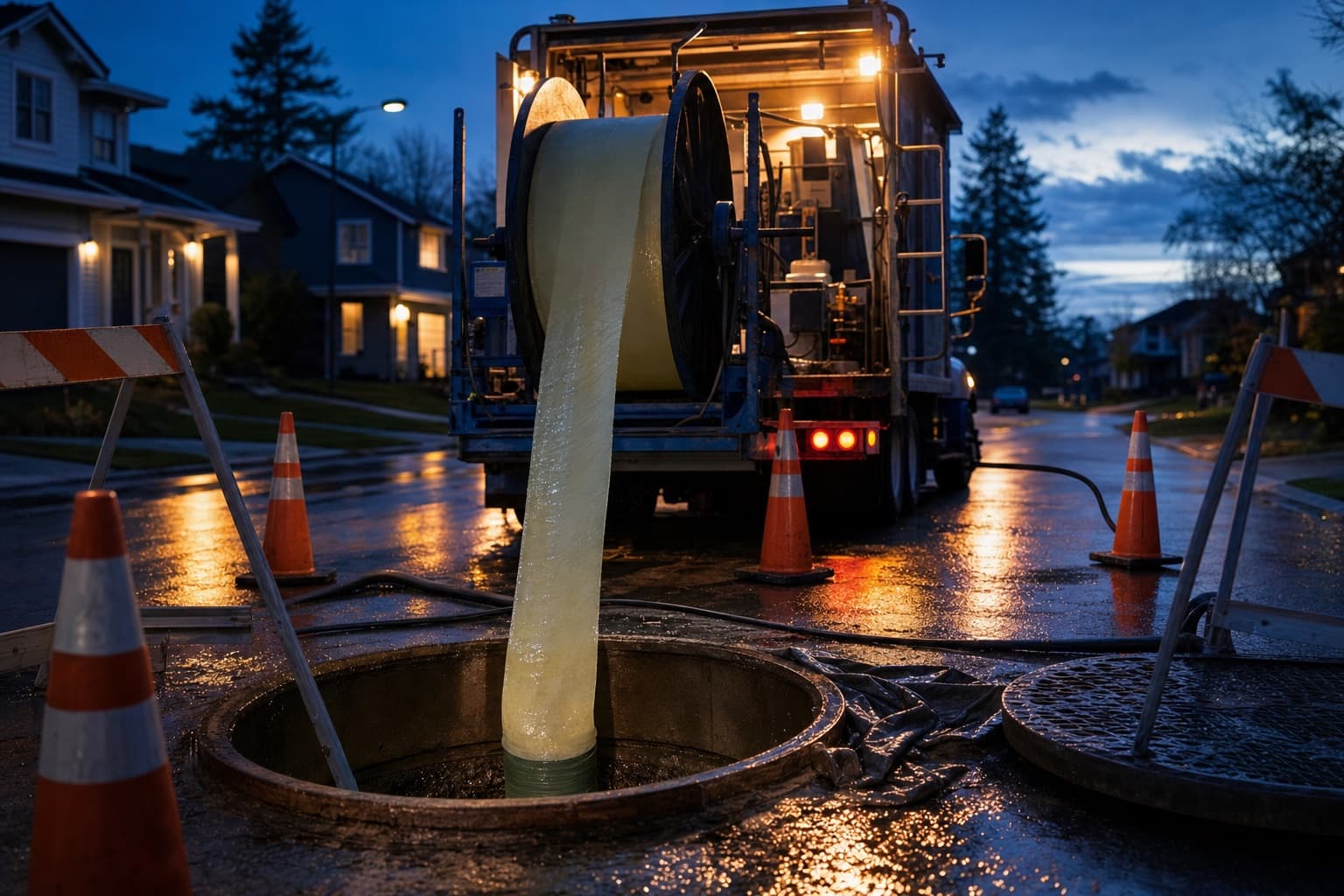
Survey before quote, always
Depth, diameter, defects and the lateral count are read off a camera survey. Before that, any number is a guess with a decimal point.
Sometimes the answer is to dig
A collapse, a belly, a pipe that has to move: lining is the wrong answer, and a contractor who sells lining is the last person likely to tell you. It happens more often than the industry admits.
Three documents, not a certificate
Post-cleaning survey, cure record, final survey. Those are the asset. A warranty without them is paper from a company that may not exist.
The method is the same. The constraints are not.
A liner behaves identically in a house lateral and in a municipal main. What differs is who has to permit it, who cannot lose service while it happens, and how many connections have to be cut back open.
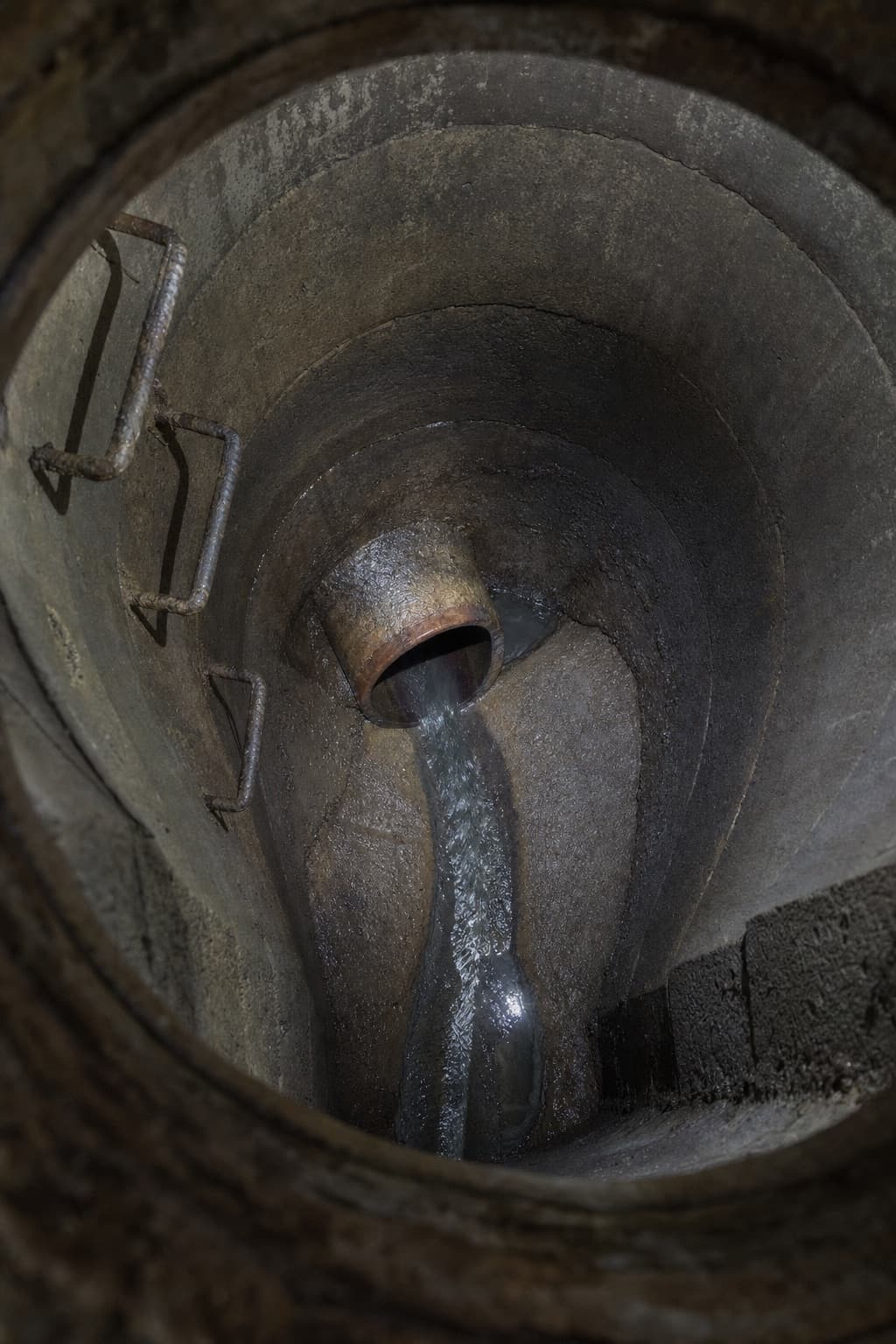
House and building sewers
Laterals, under-slab drains and stacks. One access pit instead of a trench across the driveway.
What changes→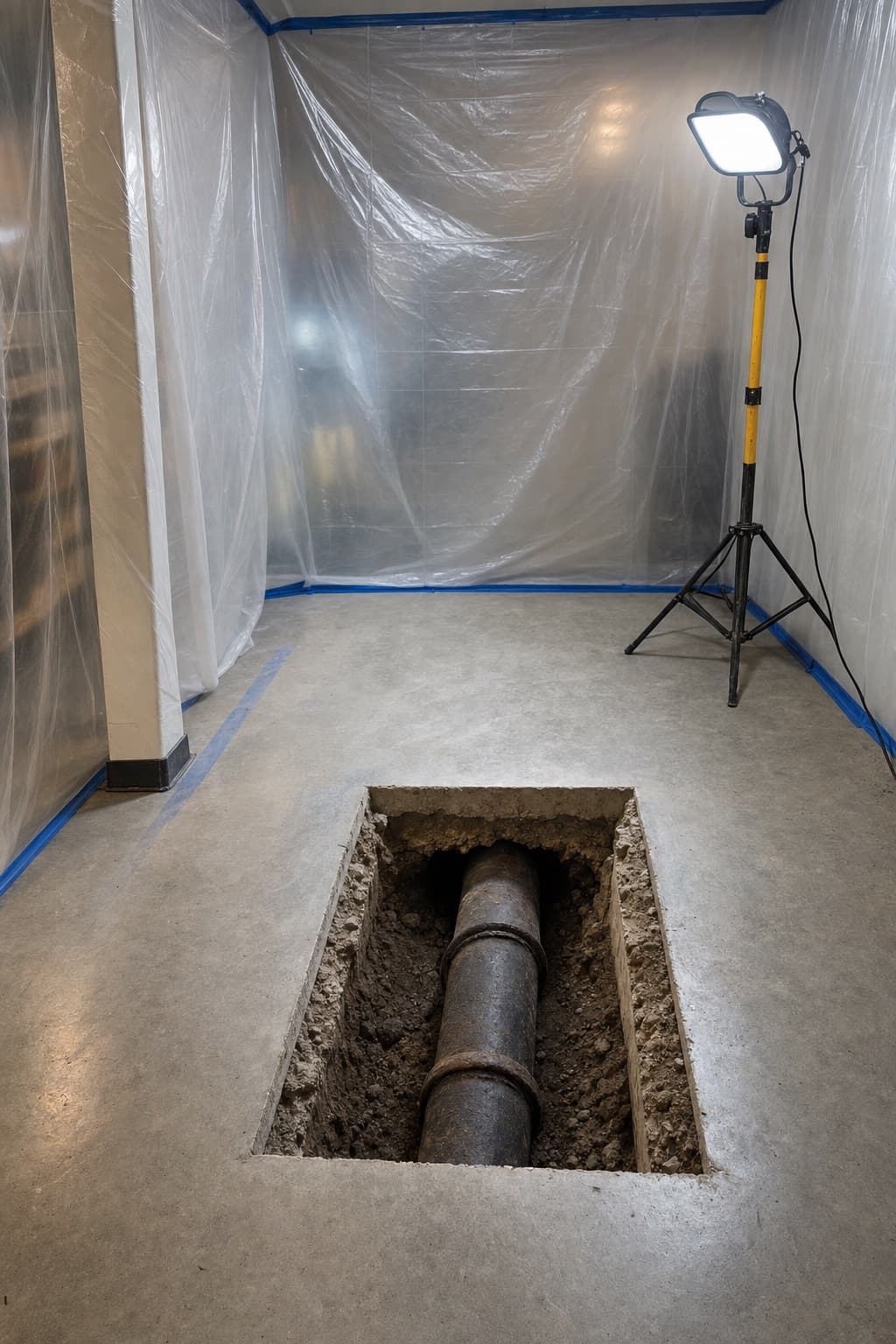
Commercial and industrial
Occupied buildings that cannot stop. Bypass, containment, and work staged around the tenants.
What changes→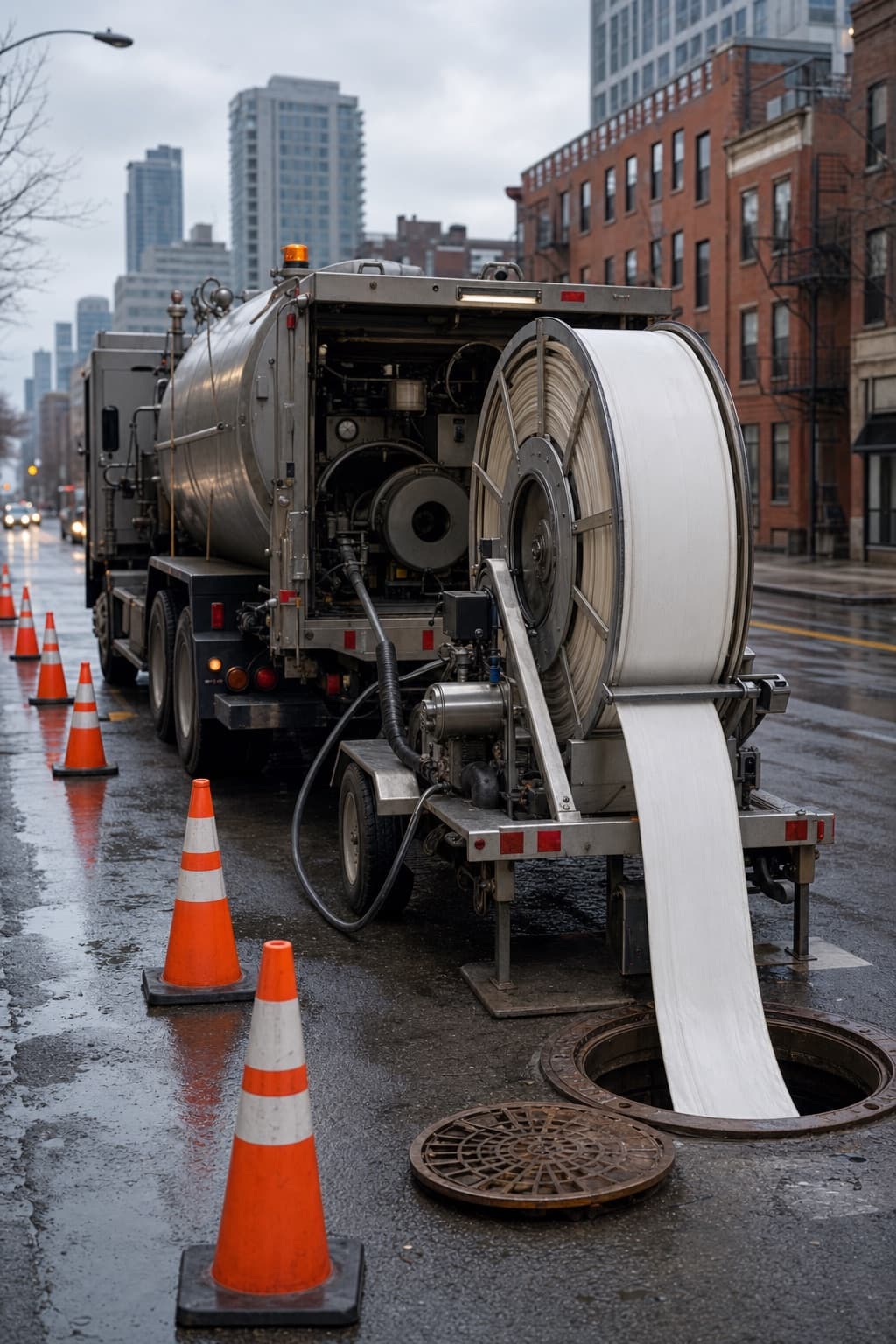
Municipal mains
Infiltration, permits, traffic management, and lateral reinstatement recorded connection by connection.
What changes→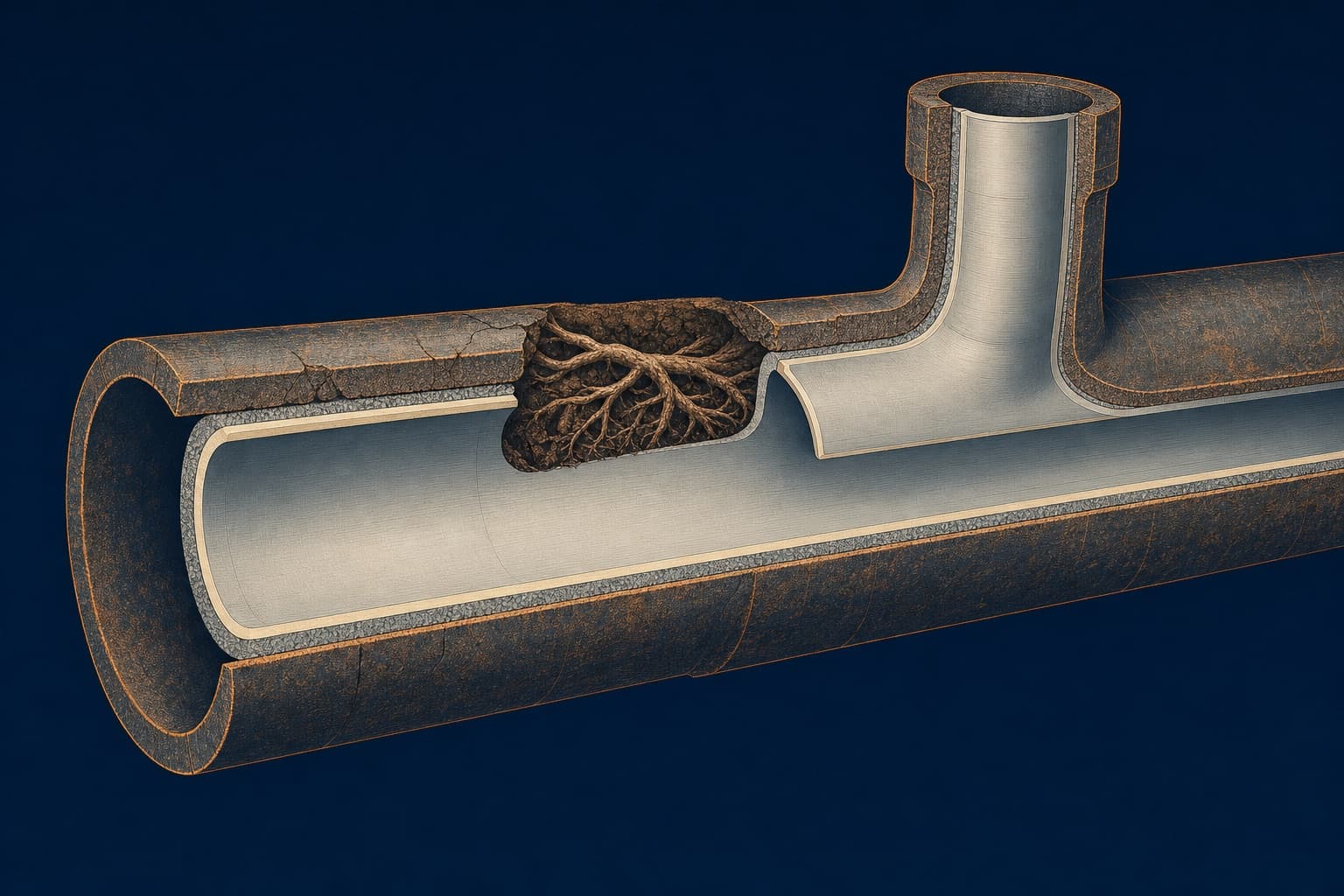
Where liners fail
The bond is to the pipe, or it is to the debris
A liner cures against whatever is on the host wall. Scale, grease, a root mass left in place: the new pipe bonds to that instead of to the old pipe, and nothing about it looks wrong on the completion video.
That is why a survey after cleaning and before lining matters, and why that second survey is in the scope rather than available as an extra.
Four questions, then a camera down the line
Diameter, length, depth and the number of laterals decide the price. All four are read off a survey rather than remembered, which is why this form does not ask you for them.
CIPP Connect is an independent reference on buying pipe rehabilitation. It lines no pipe and holds no contractor licence. It explains what a survey has to show, which defects rule lining out, what a scope must specify, and what verification to demand on work you will never see with your own eyes.
- You get the footage. It is your pipe.
- The lateral schedule, with distances, before anything is lined.
- A written scope whose exclusions are listed rather than implied.
What the work actually is
The liner is placed once, and it cannot be adjusted after
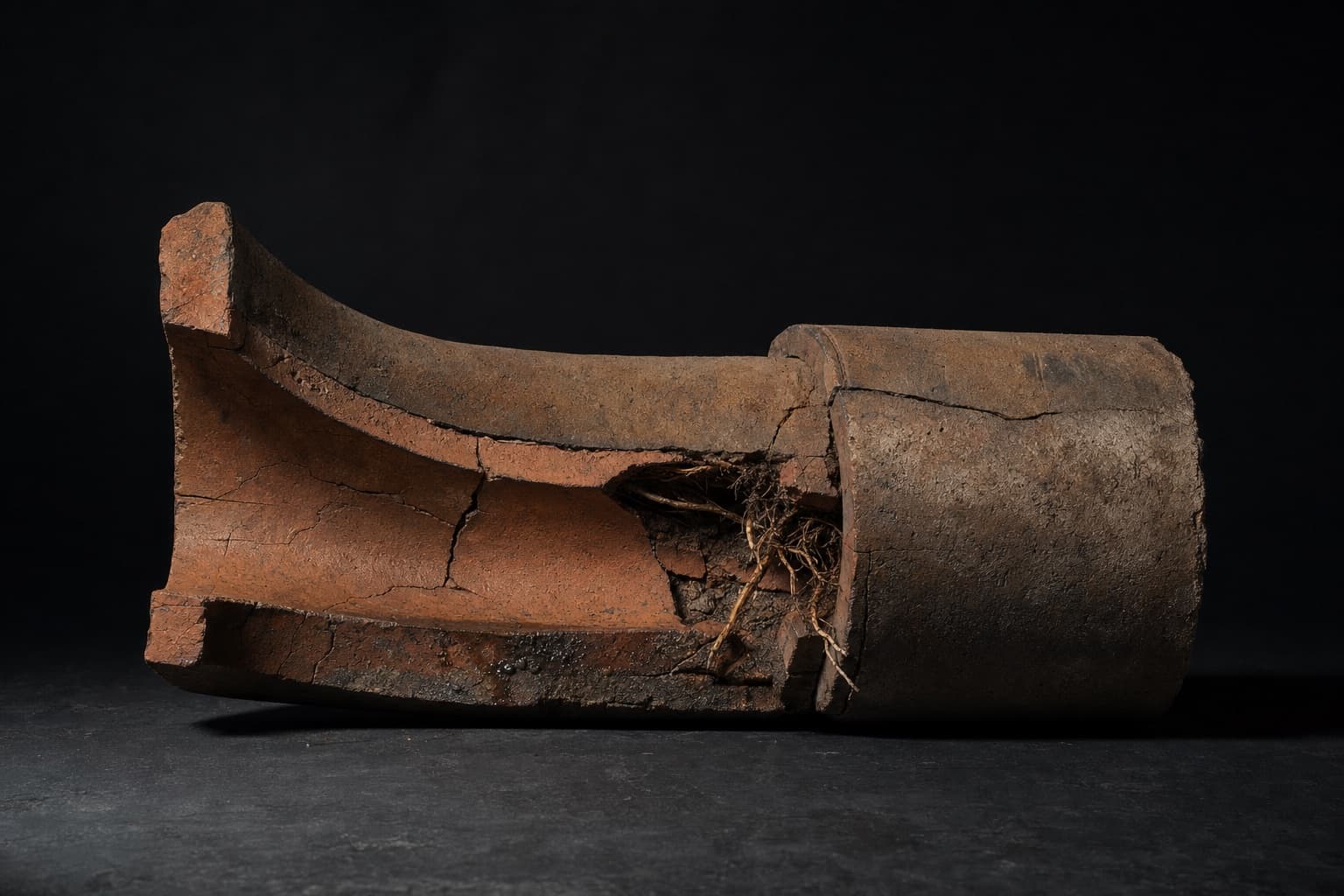
Before
A cracked host pipe with a displaced joint and roots at the seam. Nothing above ground shows this, which is why the camera survey comes before the quote rather than after it.
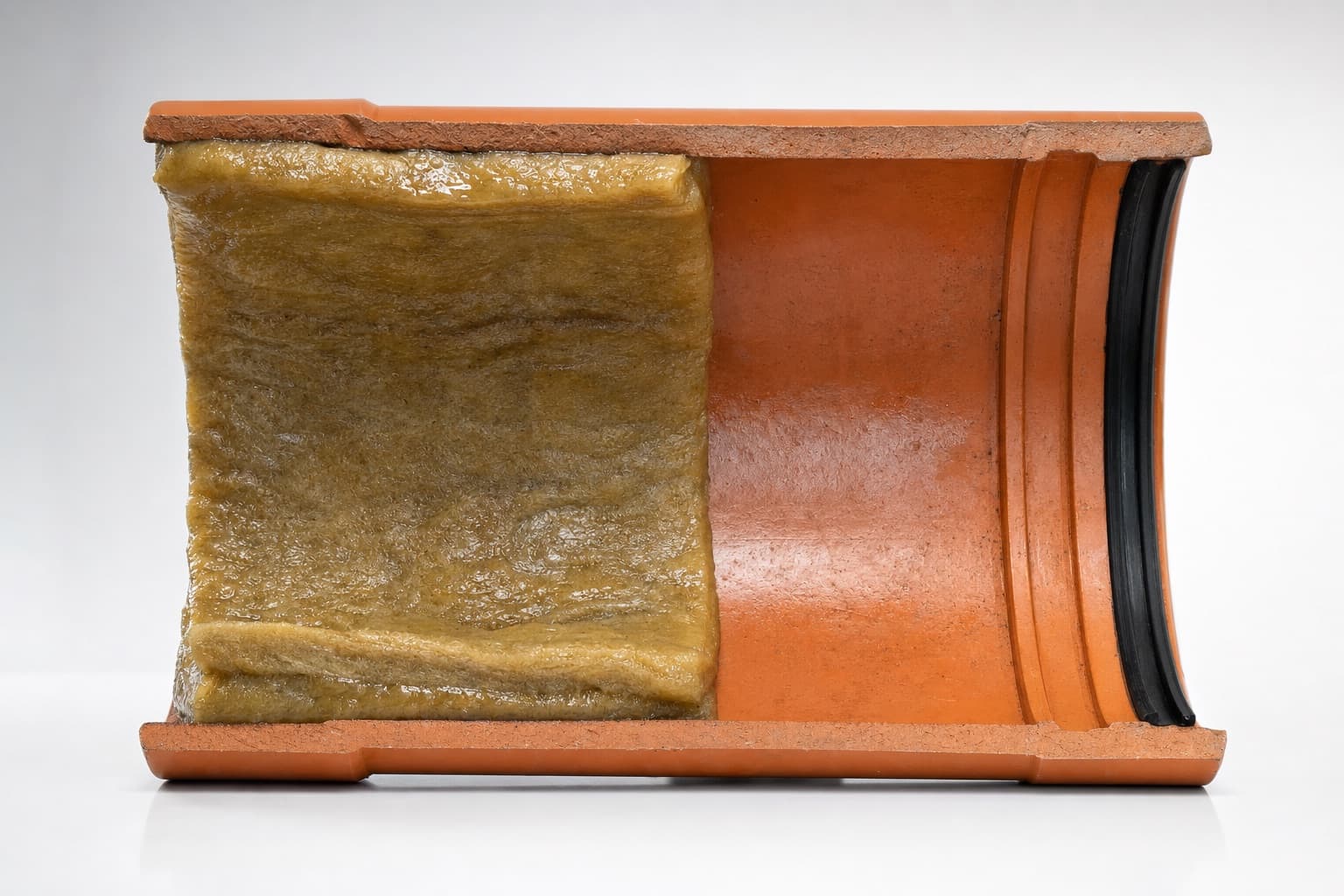
During
The resin-saturated liner goes in wet and is pressed against the inside of the old pipe. Whether that pressure is even along the whole length is what decides the result, and it cannot be corrected afterwards.
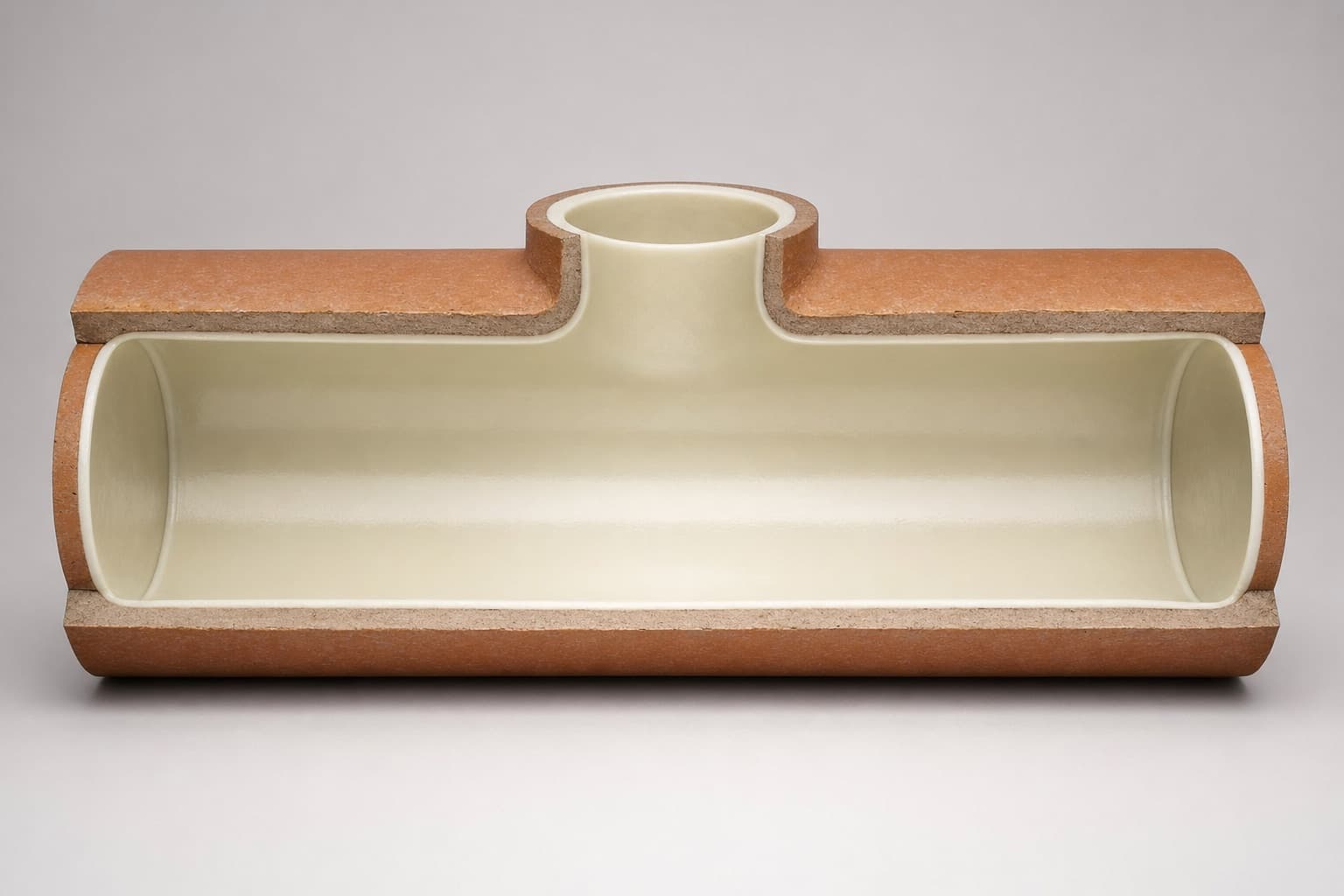
After
One continuous surface, no joints left to open, and every branch cut back open. A post-lining camera run is what proves that, and it belongs in the file rather than in a conversation.
Where this work happens
Five pipes, five different problems
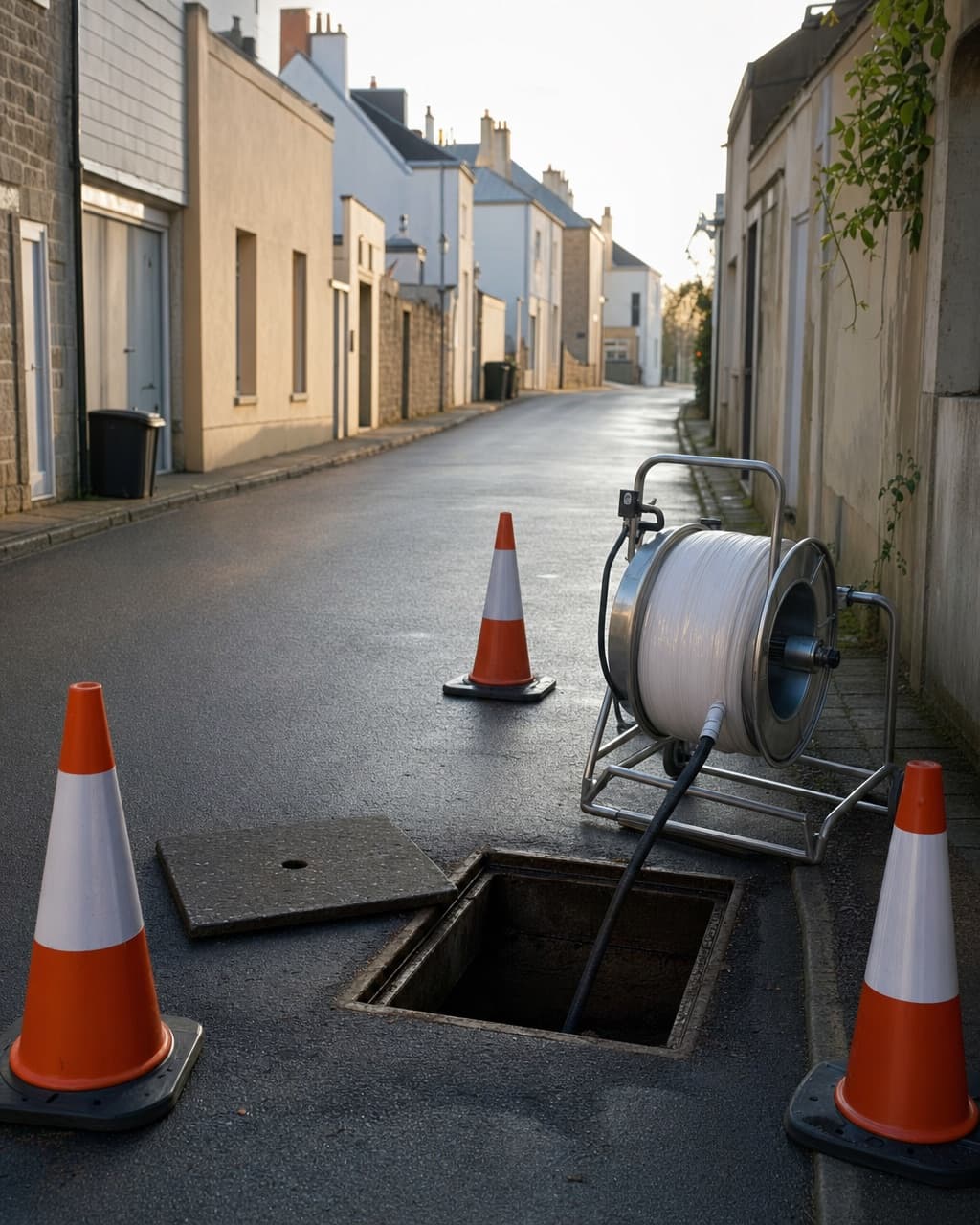
Single lateral
Residential street
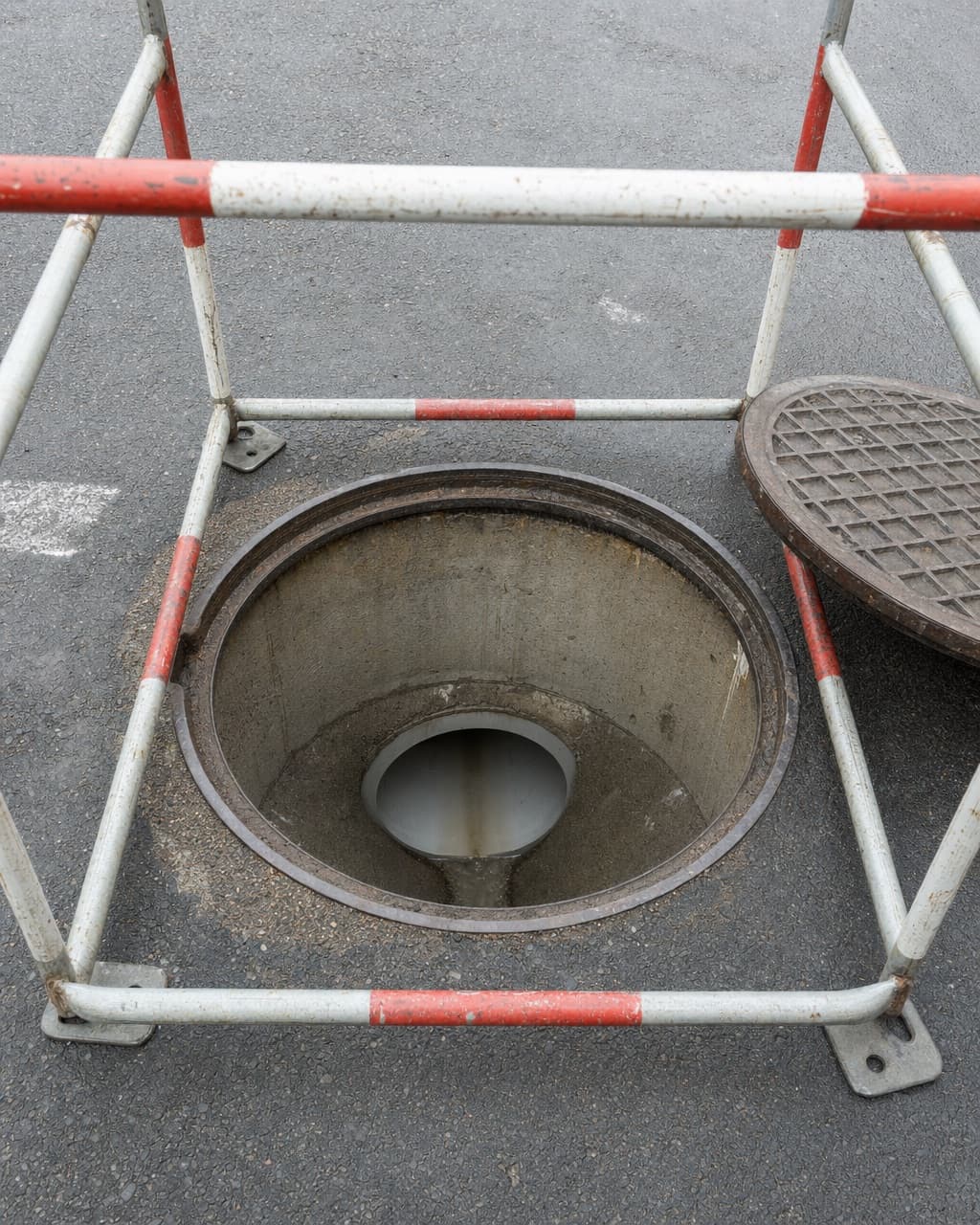
Public sewer
Municipal main
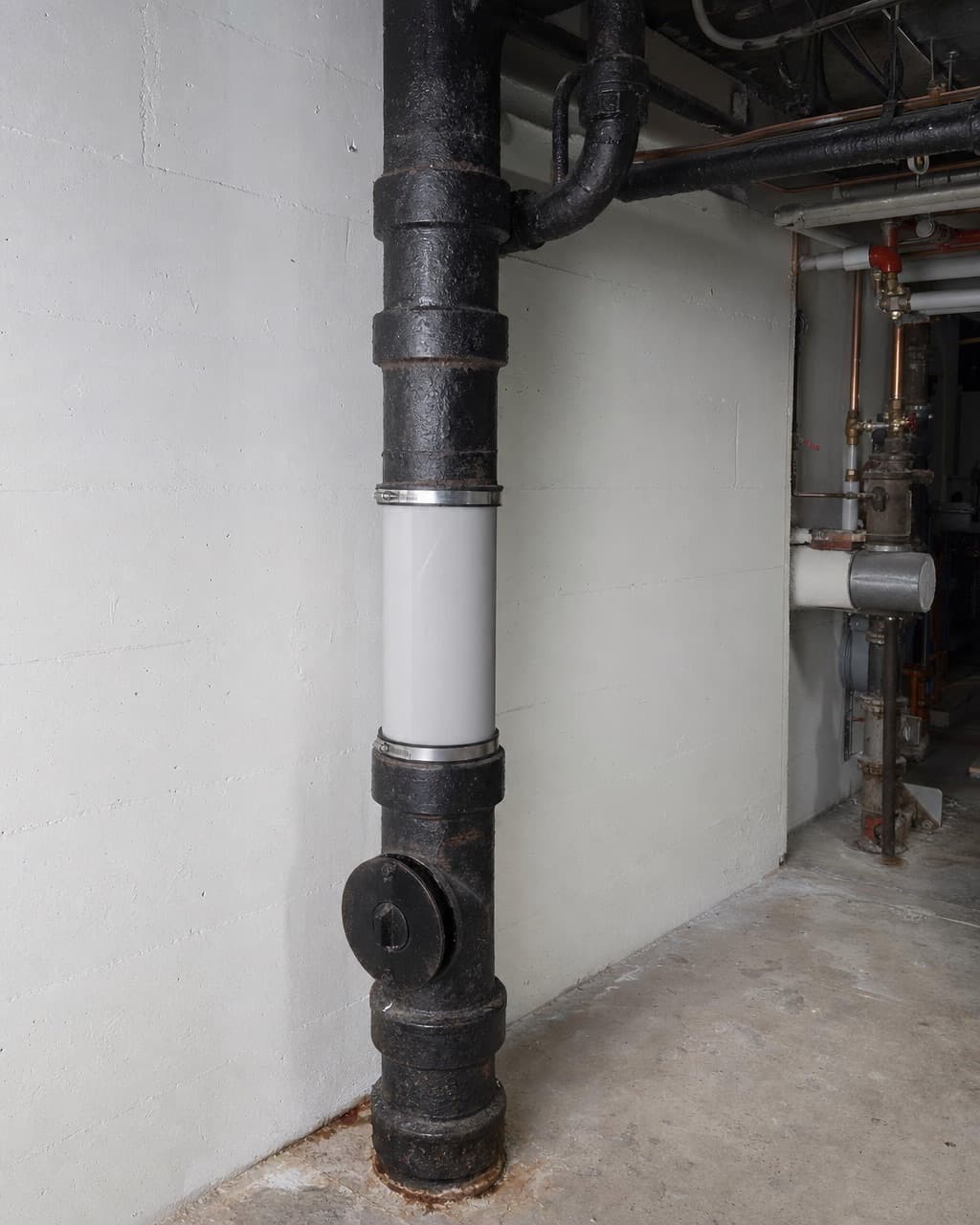
Commercial
Building stack
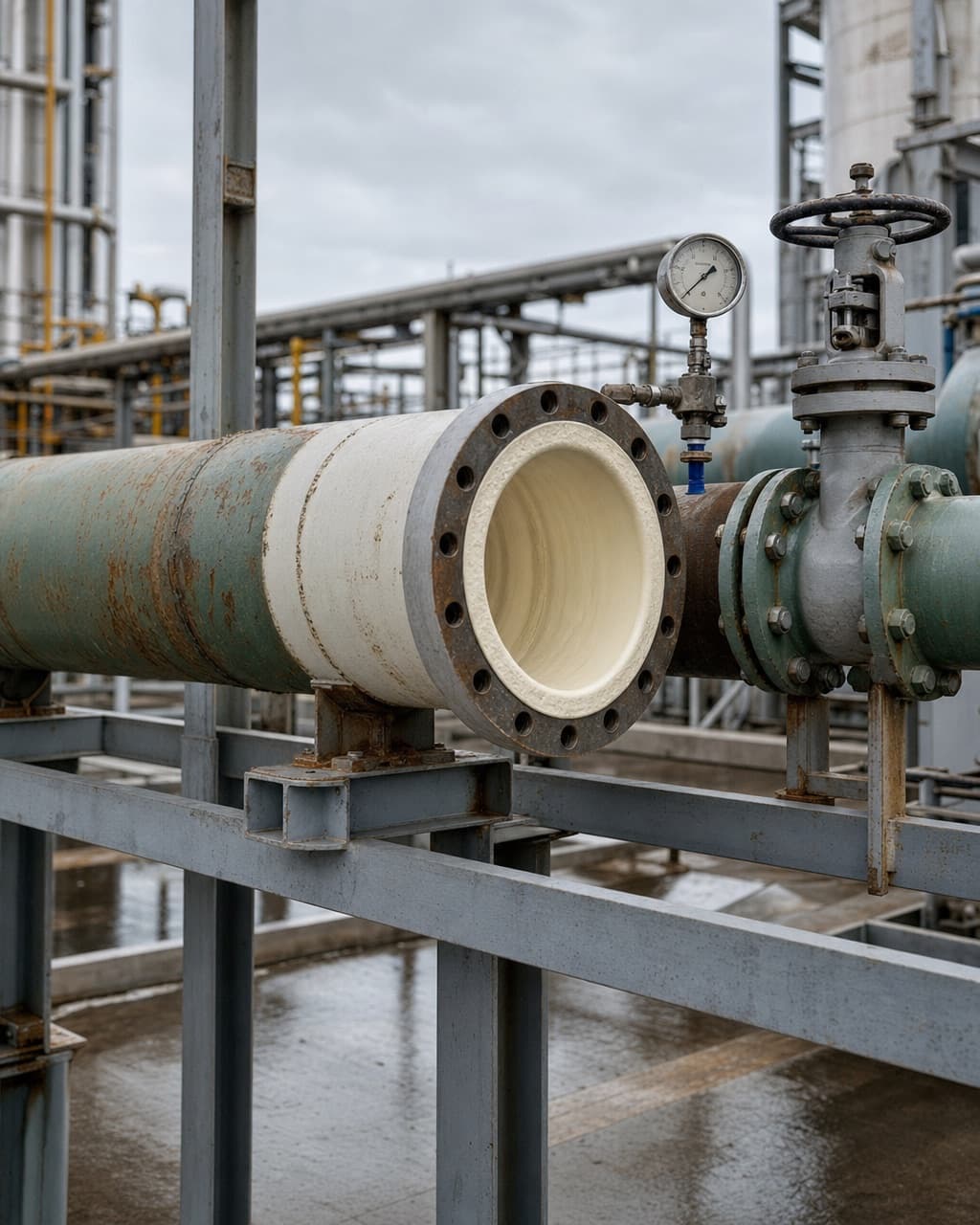
Industrial
Process line
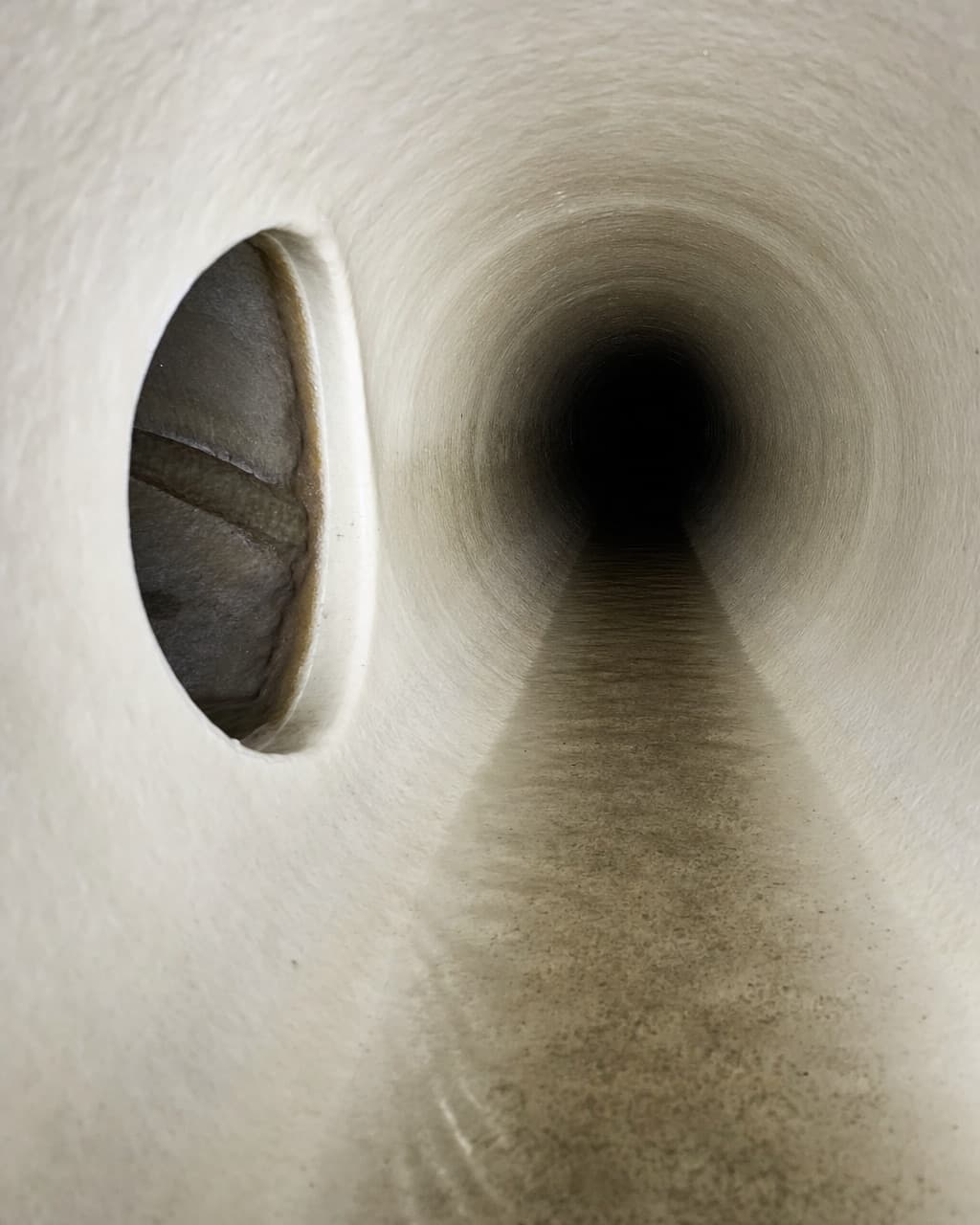
Inside the liner
Reinstated branch
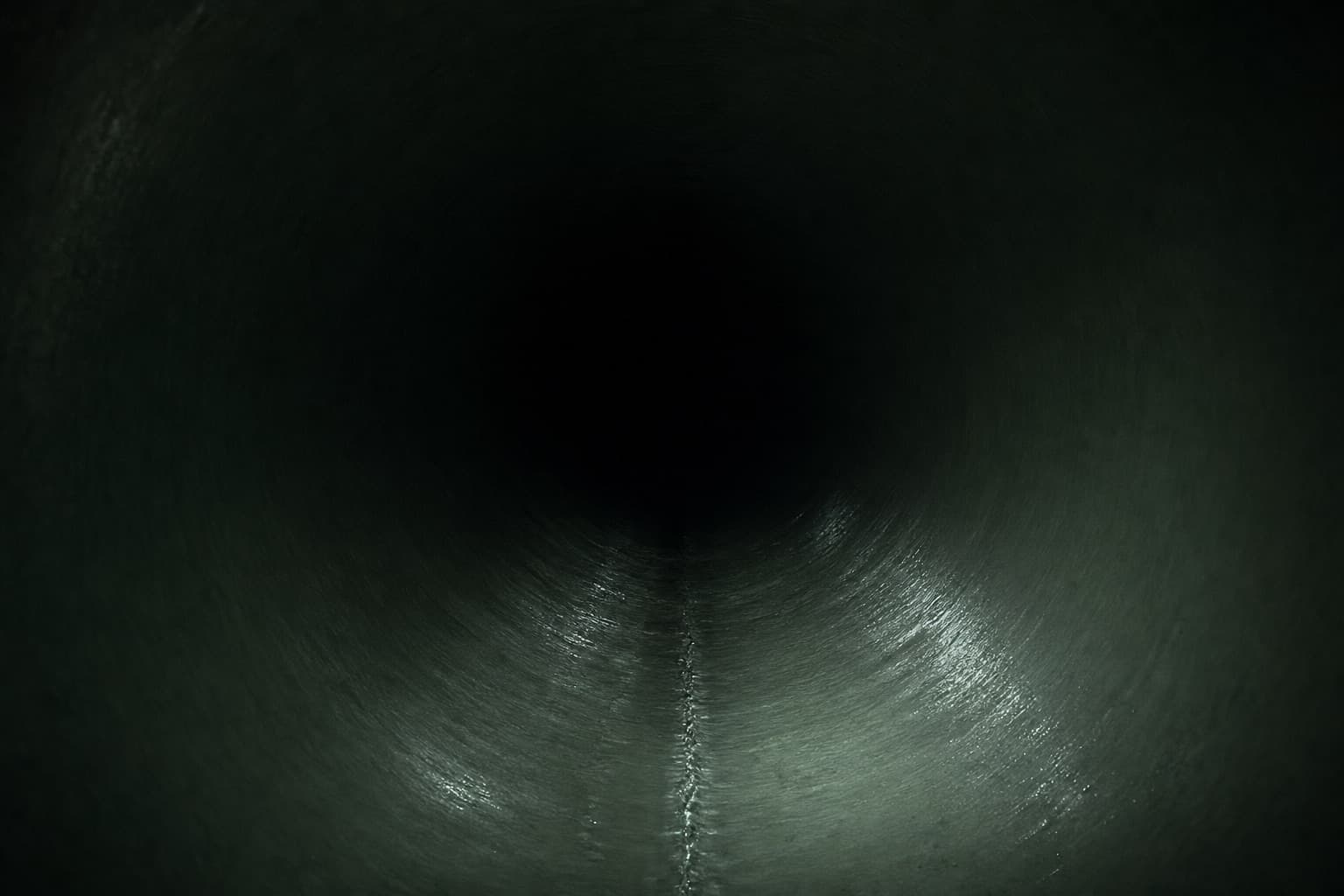
Only a camera sees this
A liner needs a host pipe with enough shape left to press against. Where a line has collapsed, lost its grade, or lost a section entirely, no liner fixes it and anyone who says otherwise has not looked. That answer comes out of the camera survey, and it is cheaper to hear before the reel arrives.
Three questions that come up every time
Can lining fix a sagging pipe?
No. A liner follows the shape it is installed into, so a lined belly is a smoother belly. If the grade is the problem, the grade has to be corrected, and that means excavating. The full list of what lining does not fix is in the advice section.
Why is there no price on this site?
Because depth, access, the lateral count and what has to be put back afterwards vary by an order of magnitude between two houses on the same street. What a quote is made of is on lining cost.
How long is the pipe out of use?
On a house lateral, usually a matter of hours in one day. On a live main or an occupied building the flow is pumped around the work instead, which is why bypass appears as its own line on the quote. The sequence is on how the work is done.